
How to Fight Back When Canada Wrongfully Denies Your Tourist Visa
Why You Must Challenge Unfair TRV Refusals and Speak Truth to Power
Applying for a Canadian tourist visa(Temporary Resident Visa or TRV) should be straightforward, fair, and transparent. But for thousands of applicants each year, it’s anything but.
When an immigration officer arbitrarily denies you reasonable access to visit Canada, you must creatively challenge the system—no matter how daunting it seems.
How do you stay calm when someone in a position of power says “no” to your well-documented visa request? Especially when your application meets every eligibility requirement, your intentions are genuine, and you simply want to explore Canada, follow the rules, and return home?
Ibrahim submitted a meticulously prepared Temporary Resident Visa applicationfrom Bangladesh—and was inexplicably refused.
The visa denial was devastating. His temporary visit was part of a larger plan to explore pathways to lawfully immigrate to Canada through skilled worker, international student, or family class sponsorship programs, eventually becoming a citizen and contributing to Canadian society.
The Ideal vs. The Reality of Canadian Immigration
What Canada Promises
“Newcomers bring their heritage, culture, talent, ideas and perspectives. For over a century, immigration has been a means to support the population, economic, and cultural growth in Canada.”
Source: Immigration, Refugees and Citizenship Canada (IRCC)
What Actually Happens
This rosy picture masks significant flaws in Canada’s visa system.
Like many people from developing countries, Ibrahim faces obstacles that privileged citizens take for granted—equal access to opportunities that create a better life.
If you have empathy, you’ll understand the seemingly insurmountable barriers that international couples (especially LGBTQ+ couples) must overcome to simply live together—rights that most people enjoy without a second thought.
Why Was Ibrahim’s Canadian Tourist Visa Denied?
This is Ibrahim’s story of applying for a tourist visa to Canada from Bangladesh, sponsored by his Canadian partner.
I’ll never forget receiving the refusal decision.
“Hello Daniel and Ibrahim, We have received the decision, and unfortunately, the application has been refused. We are disappointed to receive the refusal; however, there is an option to challenge the decision at the Federal Court. This consists of filing legal submissions arguing why the decision is unreasonable.“
Our Reaction to the Visa Refusal
We were shocked.We had planned this journey for over a year and were optimistic about approval.
The denial felt like a death blow—as if someone we loved had died tragically. We cried for days.
There was no reasonable explanation for the refusal.
“Immigration officers don’t seem to appreciate the profound impact their highly subjective, sometimes whimsical decisions have on the lives of visa applicants and their Canadian sponsors.”
We must advocate for those who can’t easily speak for themselves.We’re all connected as one human family.
Fairness is rare these days. For the sake of self-respect and human dignity, we must challenge unjust systems—no matter how expensive, awkward, or time-consuming.
Always Speak Truth to Power
“Having the courage to stand up for what’s right and tell people in charge what’s what. That’s the idea behind the phrase speak truth to power, an expression for courageously confronting an authority, calling out injustices on their watch.”
Source: Dictionary.com
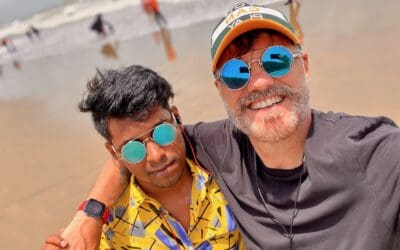
Newcomers bring their heritage, culture, talent, ideas and perspectives. ~ Photo Credit Daniel & Ibrahim

Common Misconceptions About Tourist Visas and Marriage
“What if they get married in Canada?”
Some people worry: What if a tourist comes to Canada, gets married, and then applies for permanent residency? Did they trick the government? Absolutely not.
Canada is a democracy. It’s completely legal for tourists to:
- Visit Canada
- Get marriedduring their visit
- Apply for permanent residencyafterward
The only requirements are honesty (a legitimate relationship) and intent to contribute positively to Canadian society (which 99.9% of immigrants do).
For permanent residency applications, IRCC assesses whether it’s a bona fide relationship(in good faith, without deception or fraud).
What Immigration Officers Cannot Do?
An immigration officer cannot reject a tourist visabased on undocumented assumptions that an applicant mightget married and apply for permanent residency.
If they suspect this, they must state it explicitlyin their refusal decision and case evaluation notes (GCMS notes).
Visa officers are legally obligated to document their reasoning. These notes (or their absence) are critical for an immigration lawyer to craft an effective appeal or reconsideration request.
In Ibrahim’s case, there was no suspicion documented—no mention of marriage intentions or permanent residency plans. Warm photos on Instagram don’t constitute material evidence of misrepresentation.
Our David vs. Goliath Moment
Here’s our reality: We will fight this unjust system and never give up until Ibrahim receives his visa. Our lives and relationship depend on it. We’re fighting for our fundamental rights and freedoms.
Have you ever faced a situation where “NO” wasn’t acceptable? Where you had to fight back regardless of the cost—your own David and Goliath moment?
“The story is an inspiring example of how the plucky underdog could defeat someone much bigger against the odds.”
Source: Interesting Literature
How to Appeal a Denied Canadian Tourist Visa: Legal Options
When your TRV application is refused, you have several options to challenge the decision.
We believe there’s strong evidence that the immigration officer made an error in refusing Ibrahim’s application.
Grounds for Appealing a Visa Refusal
An incorrect visa refusalmay occur when the immigration officer:
- Stepped outside their jurisdiction(unlikely in most cases)
- Acted unfairly or unreasonably(most common)
- Broke the law(rare but possible)
Unfortunately, the only way to determine if the officer crossed these lines is through the appeal process.
Option 1: Federal Court Judicial Review
The primary method to challenge a refused visa applicationis filing a Judicial Review with the Federal Court of Canada.
The reality:This is an expensive process requiring an experienced immigration lawyer. However, when you’ve been treated unjustly, what choice do you have?
What would you do?You have nothing to lose and justice to gain.
Option 2: Request Reconsideration
Another option is requesting that IRCC reconsider your visa application.
Reconsideration requests typically cite:
- Misinterpreted information
- New supporting documentation
- Procedural errors
A seasoned immigration lawyer ensures you submit all the correct supporting documents and compelling arguments to achieve a favourable decision.
Option 3: Reapply with a New Application
After exhausting legal appeals, you can submit a new TRV application—but only after addressing the stated reasons for the initial refusal.
Honestly, I don’t believe it will come to reapplying. Ibrahim will eventually receive his visa through our appeal.
The Cost of Fighting for Justice
Someone said to me, “/It must be nice to waste money fighting the government for your new boy. Canada has the right to refuse entry to anyone./”
Are you kidding me?
I nearly lost my temper at such arrogance, but forgave his ignorance instead.
Why We’re Fighting
“No one wants to spend thousands on legal fees, but what choice do we have? How much do you ‘waste’ on your kids, pets, or spouse?”
Over the years, I’ve learned the importance of speaking truth to power. If we don’t stand up for what’s right, who will?
We live in a thriving democracy—not an authoritarian dictatorship. Yet too many innocent people face these same unfair barriers.
By challenging the government, we:
- Shed light on systemic problems
- Drive positive change
- Protect the rights of future applicants
Ibrahim and I sleep well at night knowing we’re doing everything possible to fight this injustice.
One day, we’ll look back and appreciate how we creatively overcame adversity together.
The Shameful Reality of Canadian Visa Processing Times
Unacceptable Delays
Canadian visa applications typically take 3-4 weeks to process. However, by December 2022, the average wait time for a Temporary Resident Visa from Bangladesh(and many other countries) exceeded 215 days.
That’s a seven-month delay—embarrassingly unacceptable.
Shame on you, Immigration, Refugees and Citizenship Canada (IRCC)!
The Backlog Excuse
Yes, IRCC is inundated with applicants wanting to study, work, and contribute to Canada’s economy. But that’s not an excuse—it’s your job.
Despite above-average compensation, the federal government struggles to maintain adequate staffing levels to meet public service obligations.
In Ibrahim’s case, Immigration and Citizenship Canada failed to process his visa promptly or fairly.
In 2023, blaming visa backlogs on the pandemic is a tiresome excuse. Stop it.
The Human Cost of Bureaucratic Failure
Over the years, I’ve met many dedicated civil servants trying their best within a dysfunctional bureaucracy overlaid with political contradictions.
But the pressure to clear backlogs can inspire overzealous visa officers to bulk-refuse qualified applicantswithout proper review.
For a wealthy, progressive, human rights leader like Canada, there’s no excuse for this incompetence.
Politicians and bureaucrats have lost sight of the profound socio-economic benefits that immigrants bring to our country.
There’s no shortage of gut-wrenching stories from people wanting to visit or live legally with partners, family members, or dear friends. Love knows no geopolitical boundaries.
Why They Should Have Approved Ibrahim’s Application
Ibrahim received an auto-generated visa refusal letter—a cookie-cutter response that was bizarre for a straightforward tourist visa application.
We hired a seasoned immigration lawyer to ensure our application was professionally prepared. Our documentation was impeccable, and our reasons for visiting Canada were sound and well-supported.
The Laughable Refusal Reasons
The five menu-item reasons IRCC gave for denying Ibrahim’s application defied logic.
It appeared the visa officer had a quota for processing rejections that day, so they auto-sent a standard rejection letter without reading the file or considering the facts. I’m convinced of this.
“Woohoo, boss! Do I get a gold star for being an excellent civil servant bot, reducing your backlog by rejecting hundreds of humans in one day?”
The visa officers probably assumed no “poor Bangladeshi” would spend thousands in legal fees challenging an unfavourable decision. Wrong.
I cringe knowing our progressive democracy still employs people who believe their careless actions (or inaction) represent acceptable service standards.
Some officers may even abuse their power, cutting corners and preventing “those people” from sharing in Canada’s opportunities.

My Frustration Is Valid
Yes, I sound bitter and angry—because I have valid reasons. This hits close to home, so the gloves are off.
I fully support protecting Canada and enforcing due diligence at our borders to prevent harmful individuals from entering.
But when decent, honest, hard-working, law-abiding people from other countries want to visit AND leave when their time is up—for the love of God, let them in!
Don’t assume that because they’re from a developing country and we’re wealthy, they’ll abandon their work and family obligations to live in ridiculously overpriced cities like Toronto.
Conclusion: Fighting for Fairness in Canadian Immigration
Ibrahim and I will continue fighting until justice prevails. Our story represents thousands of others facing similar barriers in Canada’s flawed immigration system.
If you’re facing a wrongful visa denial:
- Don’t give up
- Hire an experienced immigration lawyer
- Challenge unfair decisions
- Speak truth to power
- Advocate for systemic change
Together, we can create a more just, fair, and compassionate immigration system that lives up to Canada’s values.
Thanks for listening.
In fairness,
Daniel~Ibrahim
Be courageous to stand up for what’s right and tell people in charge what’s what. ~ Photo Credit Daniel & Ibrahim
Action Plan: What to Do When Your Canadian Visa Is Denied
This structured approach addresses immediate visa refusal concerns while supporting long-term advocacy for systemic immigration reform. Follow these steps to challenge the decision:
Step-by-Step Guide to Challenging a TRV Refusal
1. Gather All Documentation
Collect every document submitted with your initial visa application, including:
- Application forms
- Supporting documents
- Refusal letter
- All communication from IRCC
2. Consult an Immigration Lawyer
Hire an experienced immigration lawyer to:
- Review your refusal decision
- Assess the viability of the Federal Court appeal
- Evaluate options for reconsideration
- Order GCMS notes (officer’s case notes)
3. File for Judicial Review
If your lawyer identifies grounds for appeal, initiate the judicial review process in the Federal Court, arguing that the immigration officer:
- Made an error in law
- Acted unfairly or unreasonably
- Failed to consider relevant evidence
4. Request Reconsideration
Submit a formal reconsideration request to IRCC, addressing:
- Misinterpreted information
- Additional supporting documentation
- Procedural fairness concerns
5. Prepare for Potential Reapplication
If legal avenues don’t succeed, prepare to submit a new visa application that directly addresses every issue cited in the refusal.
6. Advocate for Systemic Change
Raise awareness about visa application challenges to:
- Illuminate systemic issues
- Inspire policy reforms
- Help others facing similar situations
7. Maintain Emotional Support
This process is emotionally draining. Ensure you have:
- Support from friends and family
- Mental health resources
- A strong support network
8. Stay in Communication
Keep regular contact with your immigration lawyer and stay updated on:
- Case progress
- Required actions
- Timeline expectations
9. Plan Financially
Budget for costs, including:
- Legal fees (typically $5,000-$15,000+ for Federal Court)
- Court filing fees
- Potential reapplication fees
- Travel costs if needed
10. Consider Public Engagement
If appropriate, share your story through:
- Media outlets
- Immigration advocacy groups
- Social media platforms
- Public forums

In dreams of maple leaves and northern skies,
Where the tranquil lakes in splendor lie,
A journey hoped, a path set clear,
To Canada’s heart, they sought to steer.
Ibrahim, with earnest heart and cause,
Submitted forms, obeyed the laws,
Yet found a wall where gates should swing,
Denied a chance to spread his wings.
His spirit strong, his purpose pure,
Through bureaucratic winds he swore
To challenge what was deemed unjust,
In truth and fairness placed his trust.
O Canada, land of welcome’s song,
Where many cultures do belong,
Yet here a system flawed and slow,
Its hidden barriers laid low.
What virtues must one demonstrate,
To visit shores with open fate?
To share, return with stories bright,
And leave behind in peace, the night?
The answer lies in courage found,
In standing firm on moral ground,
To speak the truth and power face,
Demand the right to join the race.
For Ibrahim, and for the rest,
Who seek fair chance, to pass the test,
Let justice be the guiding light,
For every soul’s deserved right.
With every tear and every plea,
A testament to equity,
O Canada, be true and kind,
Embrace the dreams that all mankind.
Though storms may rise and trials tirade,
In unity, your strength displayed,
May change in hearts and laws prevail,
So every voice can tell their tale.
A journey not just for the one,
But for the many yet to come,
In perseverance, find relief,
And let the world share in belief.
Daniel~Ibrahim
Stories of Bangladesh (Chapter 5)
Discover how documenting Bangladesh’s hidden stories—from fishing villages to tuk tuk rides—became my path to creative freedom and authentic storytelling.
EpicPath Creative Academy
Where Stories Meet Strategy. Where Vision Becomes Workflow.
What You Gain Inside
Your Creative Freedom, Delivered
Real Stories. Real Results.
Stop dreaming. Start building. Your creative future is waiting.
(Live-Love-Learn-Create)
EpicPath Production Notes
A behind-the-scenes look into the process of crafting EpicPath Stories.
It is where you see how we did it, so you can apply it to your own workflow (or not).
Where Stories Meet Strategy. Where Vision Becomes Workflow.
The Creative Objective
The Story & The Scene
The Scene: The devastation of the refusal letter, the “laughable” menu-item reasons, the 215-day processing delays, and the emotional toll of crying for days. We focused on the “cookie-cutter” refusal, the lack of GCMS notes, and the decision to hire a lawyer and file for Judicial Review.
The Director’s Vision
The Production Pipeline
The Story Description
This module captures the raw reality of a wrongful Canadian tourist visa denial. Moving beyond simple legal advice, we document the emotional devastation of the refusal, the “laughable” reasons given by the officer, and the decision to fight back.
This content proves that the most powerful stories are found in the “David vs. Goliath” struggle. By focusing on the “cookie-cutter” refusal, the 215-day delays, and the “speak truth to power” philosophy, we create a piece of advocacy data that highlights the systemic flaws in the immigration system.
Social Engine Optimization (SEO)
Blog Excerpt: How to fight back when Canada wrongfully denies your tourist visa. This story captures the emotional toll, the “laughable” refusal reasons, and the legal steps to challenge the decision.
Meta Description: Discover how to appeal a denied Canadian tourist visa. Learn about Federal Court Judicial Review, Reconsideration requests, and the “David vs. Goliath” fight for justice in the immigration system.
Focus Keyphrase: Fight Back Denied Canadian Tourist Visa
Related Keyphrase: Speak Truth to Power Immigration
Synonyms: TRV Refusal, Federal Court Judicial Review, GCMS Notes, Immigration Lawyer, 215 Days Delay, Cookie-Cutter Refusal, David vs. Goliath, Bona Fide Relationship, Permanent Residency, Spousal Sponsorship, Systemic Flaws, Human Dignity, Action Plan, Orange Box, IRCC, Bangladesh Visa
The Field Exercise
Director’s Questions
- What is the “injustice” I am documenting?
- How does this story support a larger goal of systemic change and human dignity?
- Am I capturing the “truth,” or just the “refusal letter”?
- What is the strategic value of the story I’m telling (e.g., advocating for others)?
Bangladesh Fishermen: Life on Traditional Sampan Boats at Alipur Fish Market
Discover life on traditional sampan boats at Bangladesh’s Alipur fish market. Raw footage of fishermen and dock workers sharing meals on the Bay of Bengal.
Friendly Curious Locals Gather Around Me – Alipur Fish Docks – Bangladesh
Inside Alipur Fish Docks, Bangladesh: witness traditional sampan boats, hardworking fishermen, and the vibrant fish market on the Bay of Bengal. Raw documentary footage.
Parasailing in Cox’s Bazar, Bangladesh: A Thrilling Creative Adventure
Experience thrilling parasailing at Cox’s Bazar, Bangladesh – the world’s longest beach. Get travel tips, video footage, and creative inspiration for your adventure.
Motorcycle Adventures in Bangladesh: A Creative Journey Through Exotic Landscapes
Discover authentic motorcycle travel in Bangladesh. Join Daniel & Ibrahim’s adventure through villages, cities & countryside. Travel tips, stories & inspiration.
Experience Bangladesh Like a Local: The Ultimate Rickshaw Travel Guide
Experience Bangladesh like a local on a cycle rickshaw. Watch our authentic travel vlog exploring Dhaka, the Rickshaw Capital of the World. Travel tips inside.
The Ultimate Bangladesh Barber Experience: My Haircut Journey in Kuakata
Discover the authentic Bangladesh barber experience in Kuakata. From $1 haircuts to cultural immersion—my journey exploring creative freedom through grooming.
What Happens When You Take a WILD Tuk Tuk Ride in Bangladesh?
Experience the wild chaos of riding CNG tuk tuks through Bangladesh! From Dhaka’s streets to countryside adventures—an honest traveler’s guide to auto rickshaws.
Ibrahim Raises Bangladesh Flag Under Canadian Flag: A Toronto Marina Symbol of Solidarity for Democracy
Ibrahim raises the Bangladesh flag beneath Canada’s at Toronto Island Marina—a powerful symbol of solidarity for democracy and justice during civil unrest.
Kuakata Beach, Bangladesh: Where You Can Watch Both Sunrise and Sunset Over the Bay of Bengal
The sun rising and setting over the Bay of Bengal makes it a unique place in the region, providing a perfect view of beautiful nature. This video is a simple compilation of raw clips we took throughout visits in 2022-2023.
[Full-Story] Working at the Alipur Fish Docks: Inside Bangladesh’s Traditional Fishing Community
Discover life at Alipur Fish Docks in Bangladesh. Meet Ibrahim and the fishermen working traditional sampan boats on the Bay of Bengal. Photos & video inside.
Traditional Sampan Fishing Boats: Witnessing Ancient Wooden Boat Building in Bangladesh
Discover how traditional wooden sampan fishing boats are built in Bangladesh. Explore the craftsmanship, cultural heritage, and life of Bay of Bengal fishermen.
Fatrarban Mango Forest, Bangladesh: A Hidden Gem in the Sundarbans (Travel Guide)
Discover Fatrarban Mango Forest in Bangladesh’s Sundarbans. Complete travel guide to Tengragiri Eco Park with stunning photos, local culture & boat tours.
Traditional Fishing in Bangladesh: Sunset Net Fishing at Cox’s Bazar Beach
Watch traditional fishermen pull nets at sunset on Bangladesh beaches. Authentic travel video capturing the fishing culture at Cox’s Bazar and the local fish markets.
Finding Love Across Borders: My Journey to Bangladesh During COVID-19 (And Yes, I Shit Myself Silly)
60-year-old Canadian’s raw, honest story of finding unexpected love in Bangladesh during a pandemic. Cross-cultural relationships, visa struggles, and taking risks for connection against all odds.