
[Full-Story] Working at the Alipur Fish Docks: Inside Bangladesh’s Traditional Fishing Community
Working at the Alipur Fish Docks: Inside Bangladesh’s Traditional Fishing Community
Ibrahim and the salty, weathered Muslim men who work in his rural village of Alipur live a simple, harsh, yet spiritually connected life.
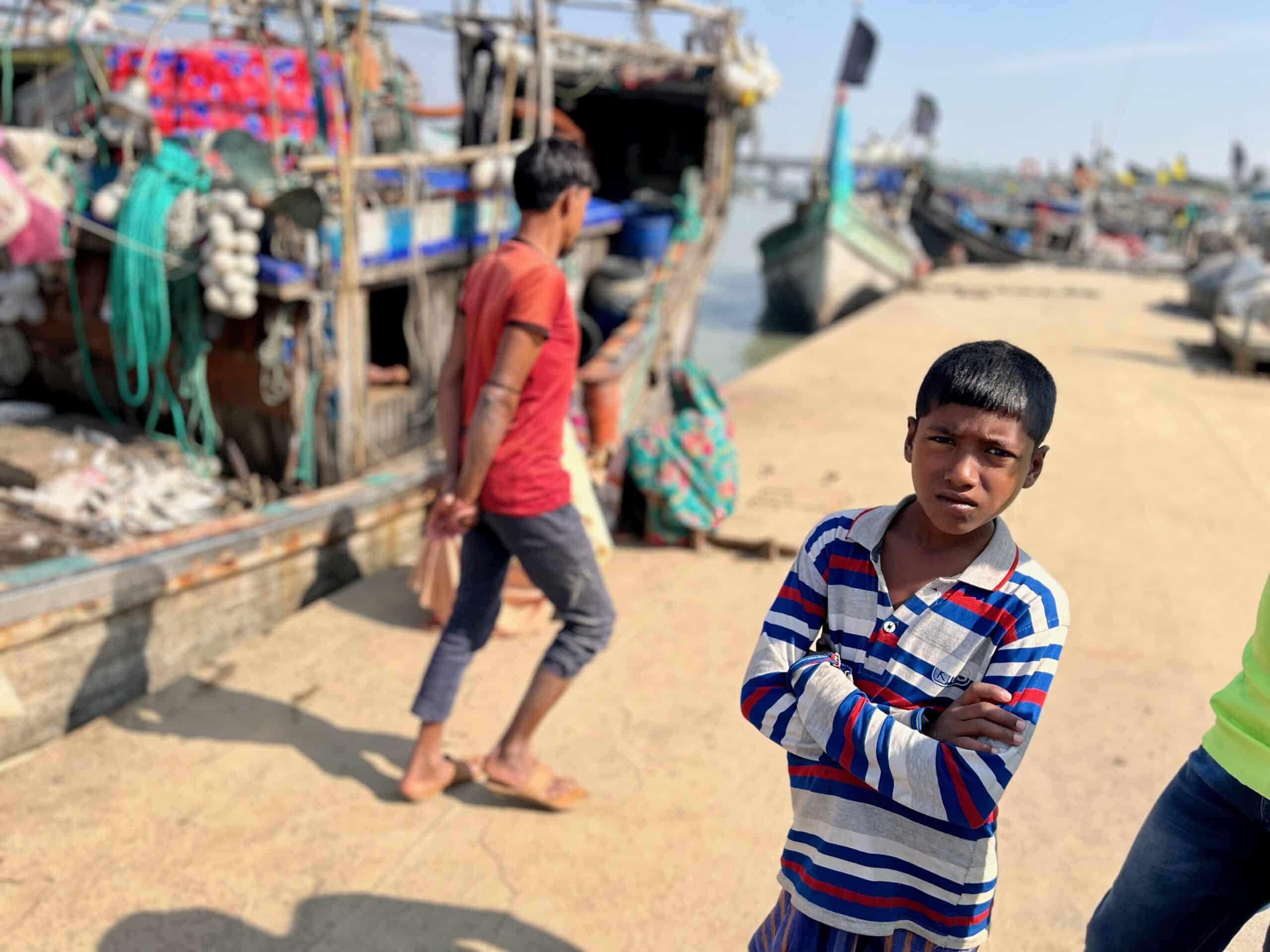
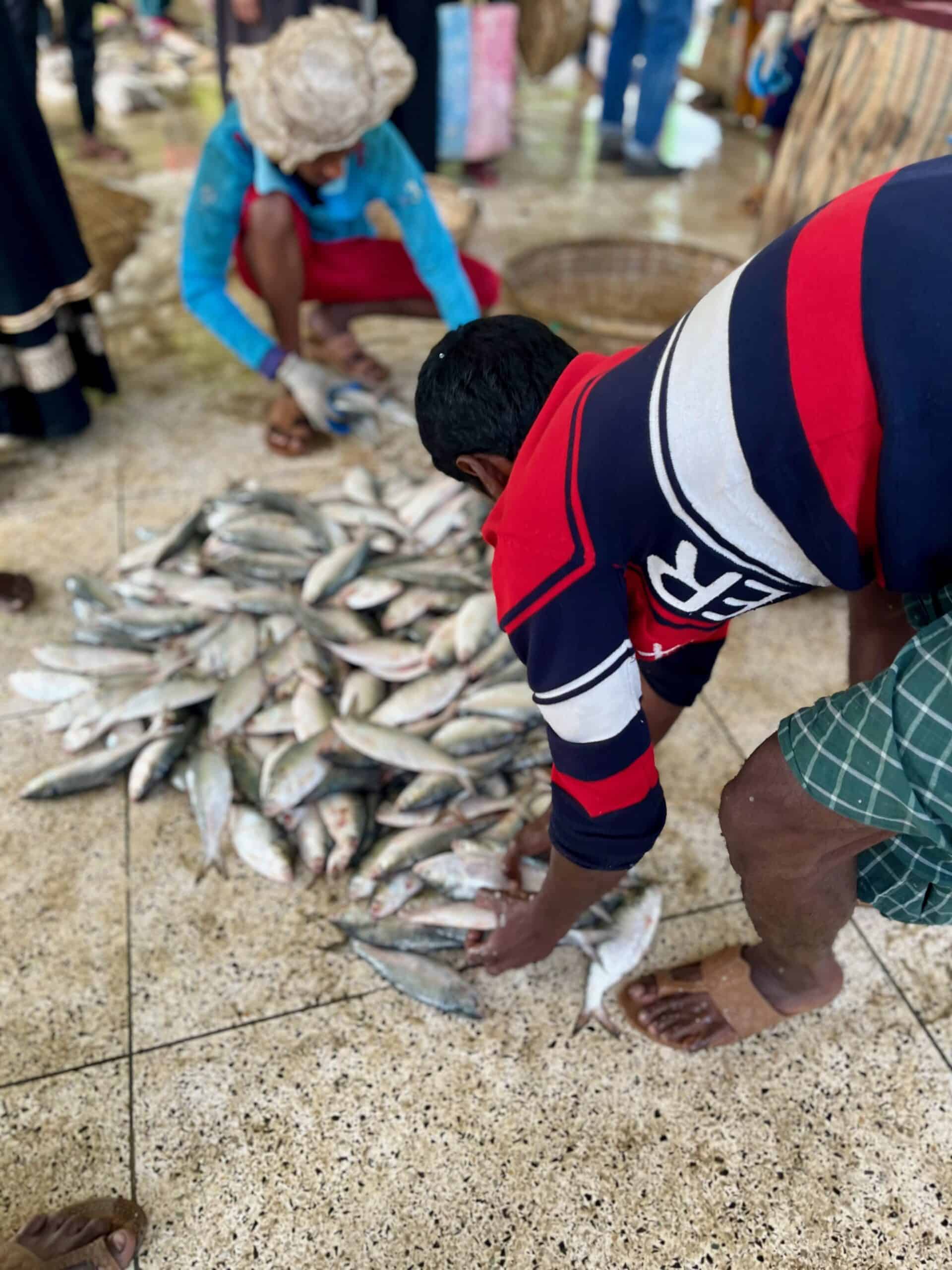
One of Ibrahim’s jobs is unloading, sorting, counting and transporting fish baskets from the large wooden boats in his village.
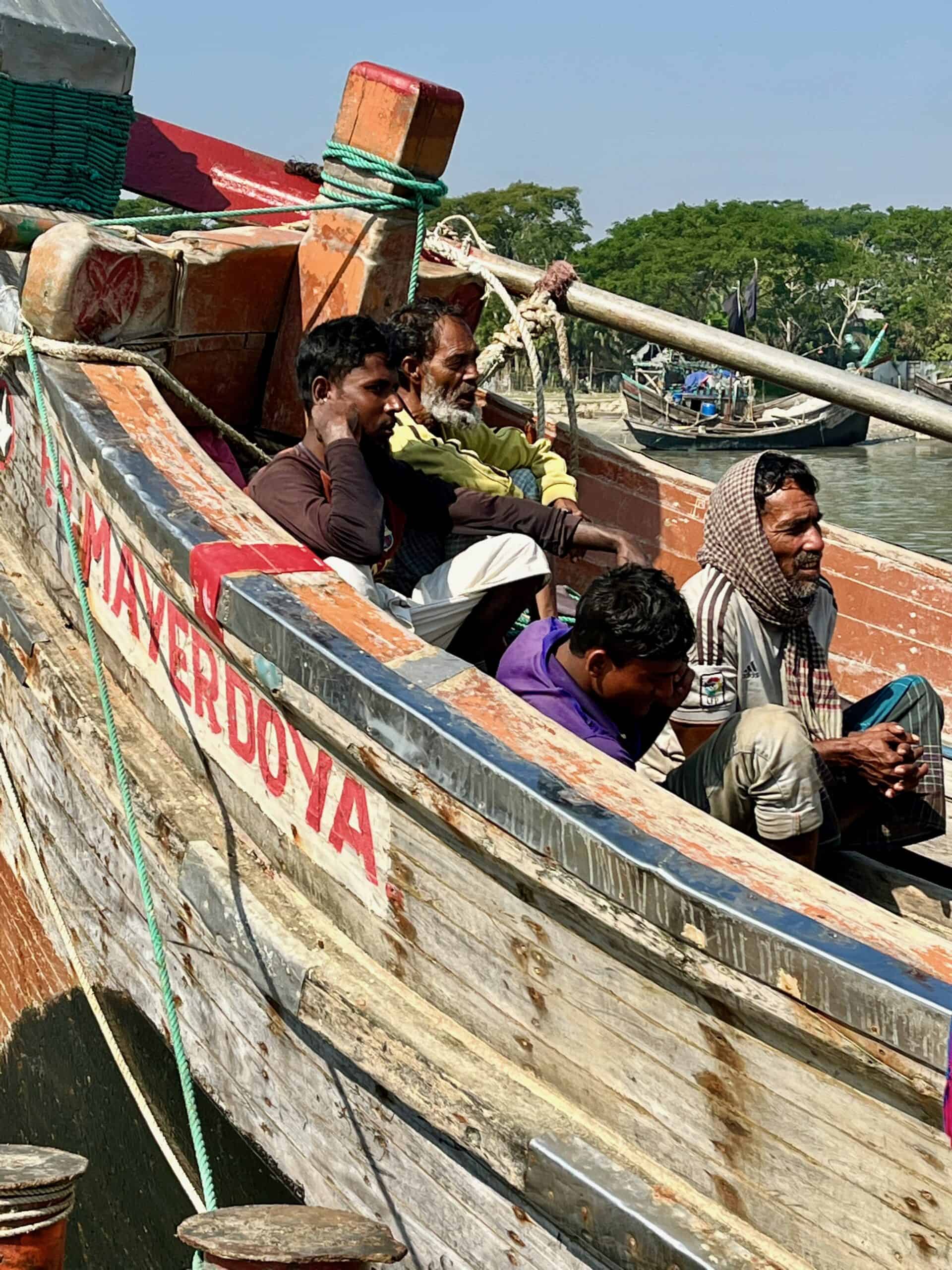
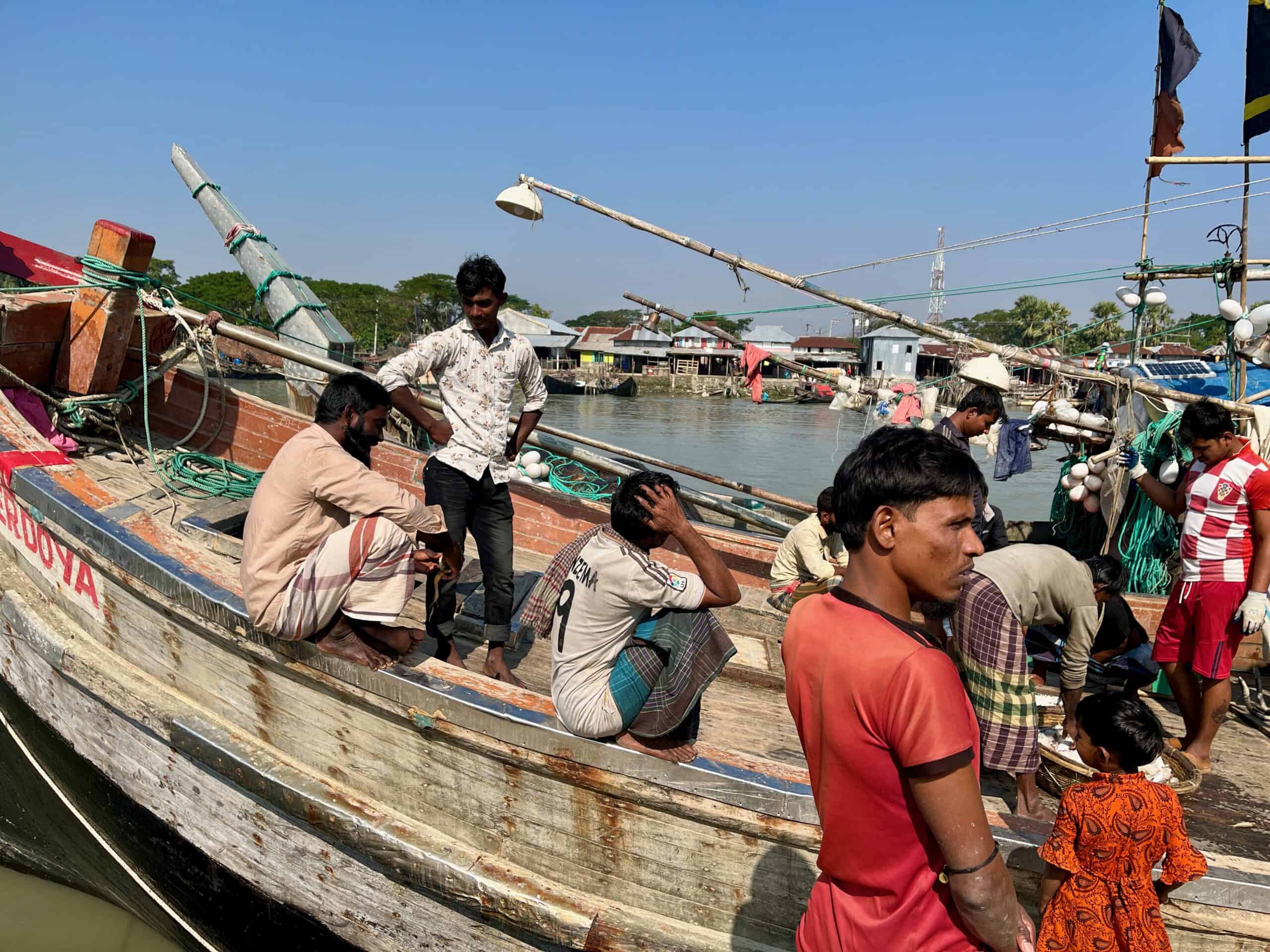
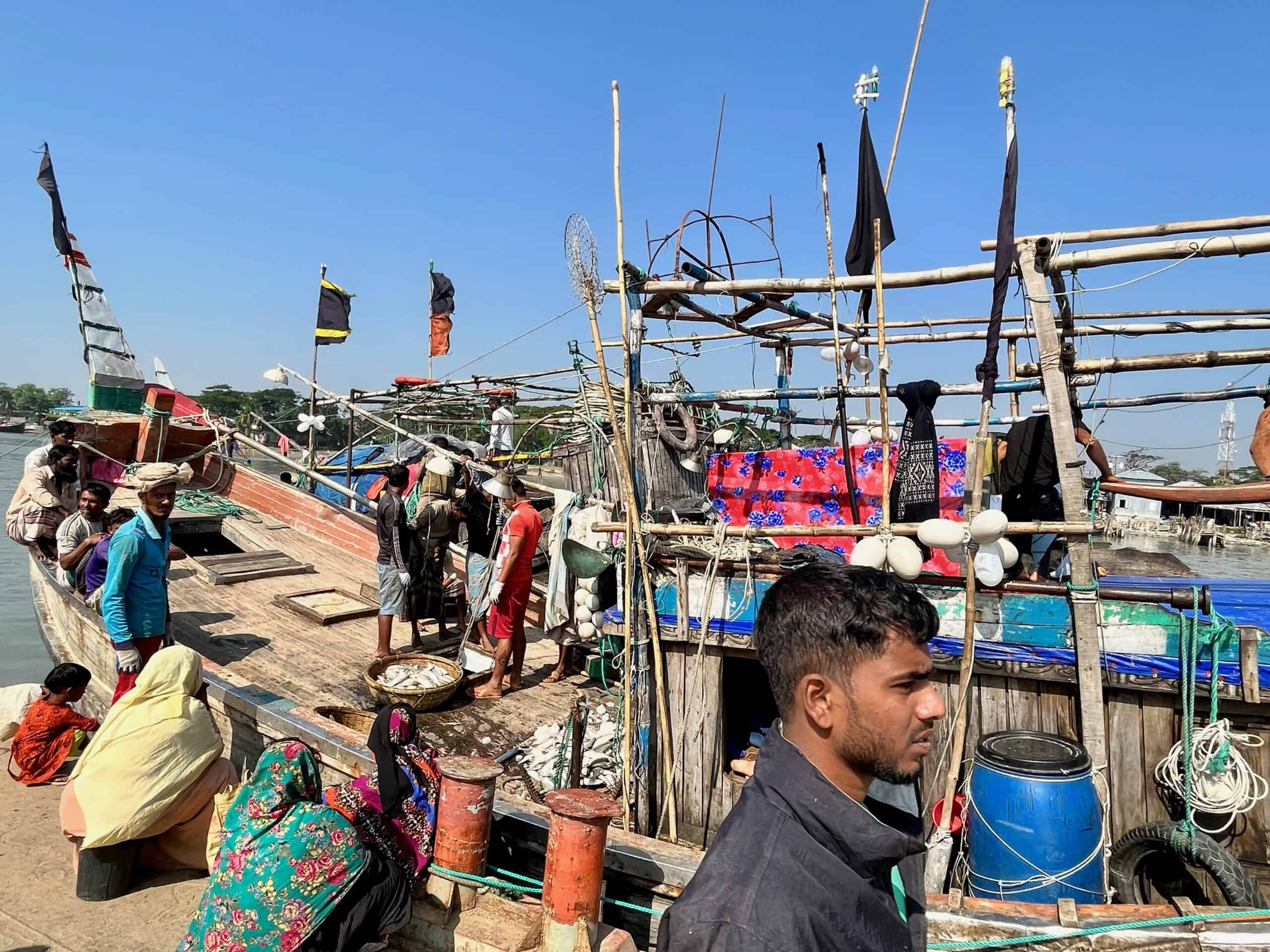
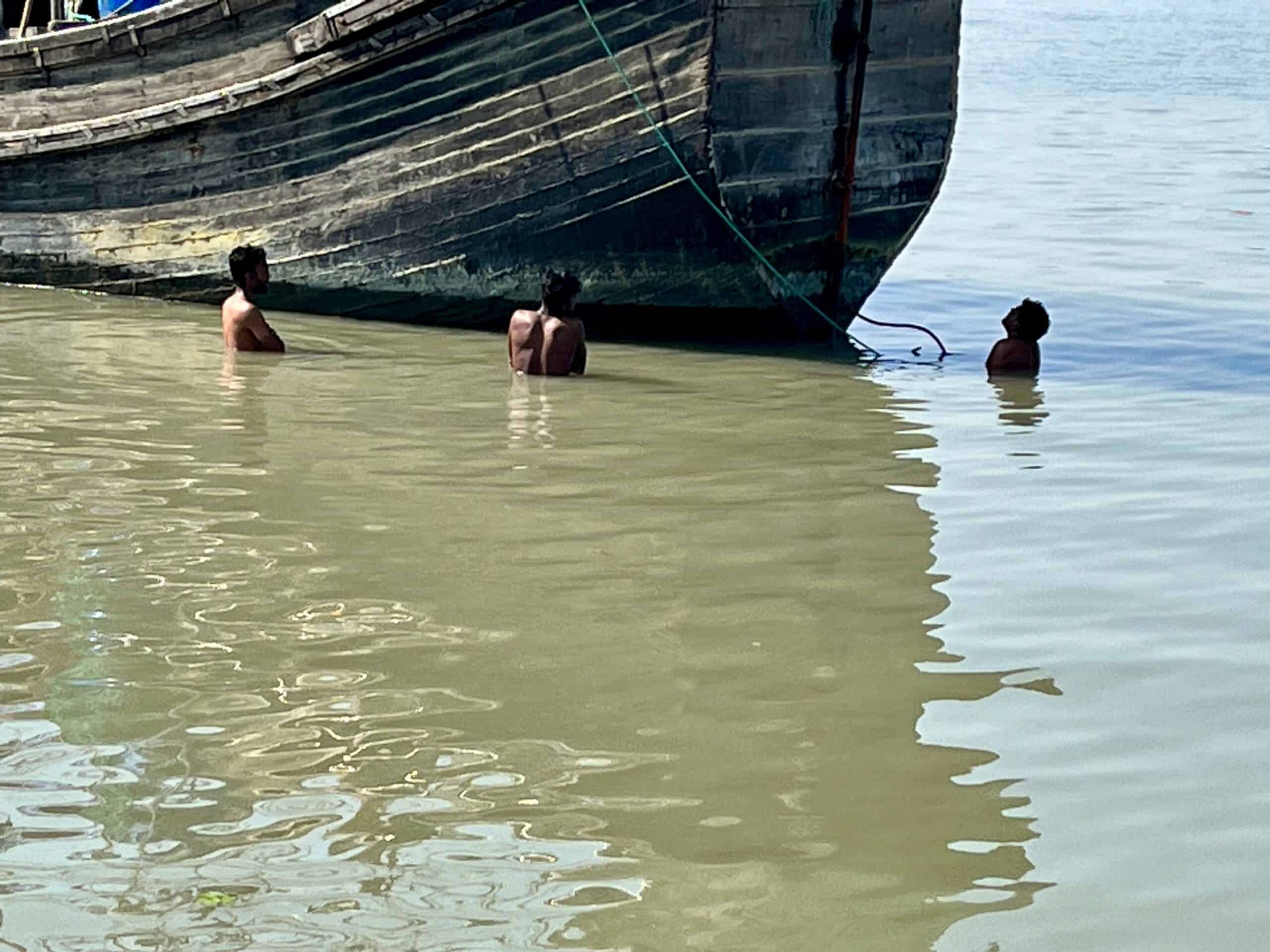
Clusters of traditional sampan boats were docked up and down the shoreline, with many waiting to head out or returning from 3-10 days of fishing on the Bay of Bengal.
The Reality of the Fish Docks
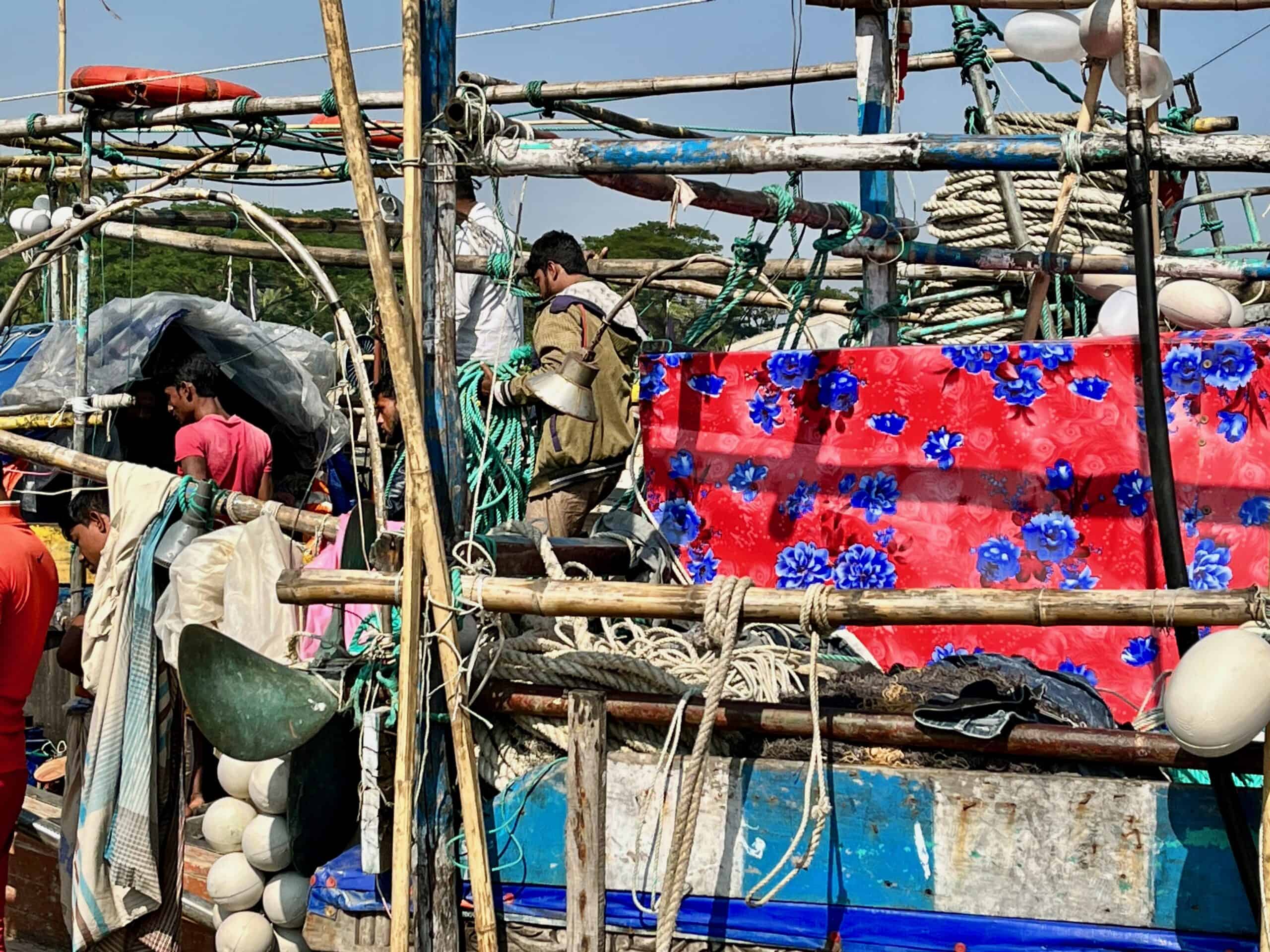
It’s incredible to see how skilled those fishermen are living and working on these boats in groups of as many as 20 men per vessel for days on end, extreme rain or shine, for a few dollars a day.
A fully loaded basket can weigh as much as 45 kg (100lbs). These agile workers walk a wobbly dock up the ramp to the fish processing area. And yet, they still find a way to smile and joke while working.
Rain or extreme heat, for as long as it takes to transport the Bay of Bengal catch and ‘head-balm’ their loads to the auctioneer ice packager, then back up to the boat again.
Under these harsh conditions, my privileged Western body would not survive an hour’s work, let alone a day’s labour.
But then, what choice do they have? “In Bangladesh, the urban poor hold labour-demand jobs, thus affecting their health conditions. Therefore, they are in a difficult situation to escape poverty.”
Ibrahim and the weathered Muslim fishermen of Alipur village live a simple, harsh, yet spiritually connected life working the fish docks of Patuakhali District in Bangladesh’s Barishal Division.
In the West, we have yet to appreciate how much sweat and tears go into catching and bringing fish to our markets.
A Day in the Life of Bangladesh’s Dock Workers
One of Ibrahim’s jobs is unloading, sorting, counting and transporting fish baskets from the large wooden boats in his rural village of Alipur in the district of Patuakhali, Barishal Division in Bangladesh.
Clusters of traditional sampan boats line the shoreline—some preparing to depart, others returning from 3-10 days of fishing on the Bay of Bengal.
It’s incredible to see how skilled these fishermen are living and working on these boats in groups of as many as 20 men per vessel for days on end, extreme rain or shine, for a few dollars a day.
Traditional Sampan Boats: Bangladesh’s Fishing Vessels
Sampan is a unique type of wooden boat with a fat bottom built on an easily curved keel line, with a sharp head called an anni that rises prominently.
A fully loaded fish basket can weigh as much as 45 kg (100 lbs). These agile workers balance their loads on their heads, walking wobbly docks up the ramp to the fish processing area. And yet, they still find a way to smile and joke while working.
Rain or extreme heat, for as long as it takes to transport the Bay of Bengal catch and ‘head-balm’ their loads to the auctioneer ice packager, then back up to the boat again.
B-Roll Ibrahim Sorting Fish, Alipur Fish Dock Bangladesh
B-Roll Ibrahim Carrying Fish on Head Alipur Fish Dock Bangladesh
Under these harsh conditions, my privileged Western body would not survive an hour’s work, let alone a day’s labour. By Canadian standards, it’s shocking how little they get paid for such sweaty, stinky manual work.
But then, what choice do they have? “In Bangladesh, the urban poor hold labour-demand jobs, thus affecting their health conditions. Therefore, they are in a difficult situation to escape poverty. [19]”
Bangladesh’s Fisheries Sector: Economic Backbone of Coastal Communities
The fisheries sector is a crucial source of livelihood for millions of people in Bangladesh, and this is markedly true in Ibrahim’s village of Alipur.
Fish is the primary protein source in the Bangladeshi diet, contributing about 60% of the total animal protein. Fishing provides significant employment opportunities and ensures a sustainable level of food security. (FRSS, 2017).
According to (FRSS, 2017), more than 18 million people in Bangladesh are directly or indirectly involved in this sector. Moreover, the industry is vital for women, with around 1.4 million depending on it for their livelihoods through fishing, farming, fish handling, and processing (BFTI, 2016). Given its significant contribution to employment and income generation, the fisheries sector has enormous potential for promoting economic development in the country. Source:
Hilsa Fish: Bangladesh’s National Treasure
Did you know that Hilsa, Bangladesh’s national fish, has been declared a Geographical Indicator? This is a significant achievement for the country, as about 12% of its total fish production comes from Hilsa alone. Hilsa contributes most to the country’s overall fish production as a single species (Toufique, 2015). It’s truly a remarkable fish and a source of pride for Bangladesh.
Its soft, oily texture and mouthwatering taste make it a real treat. It’s no wonder it’s often referred to as the “queen of fishes” and even holds the title of national fish of Bangladesh and state fish of West Bengal. Source
B-Roll Working the Scales, Alipur Fish Dock Bangladesh
B-Roll Men Carrying, Sorting Fish on Their Heads, Alipur Fish Dock Bangladesh
Documentary Photography and Video: Capturing Bangladesh’s Fishing Culture
There’s so much excellent raw content here!
I spent a few days capturing photos and shooting videos on my iPhone. I plan to compile a montage of the best clips using Final Cut Pro. But for now, enjoy the essence of a Bangladeshi fishing village.
I can’t wait to show you the video we captured on our Drone—a story for another time. –Daniel~Ibrahim
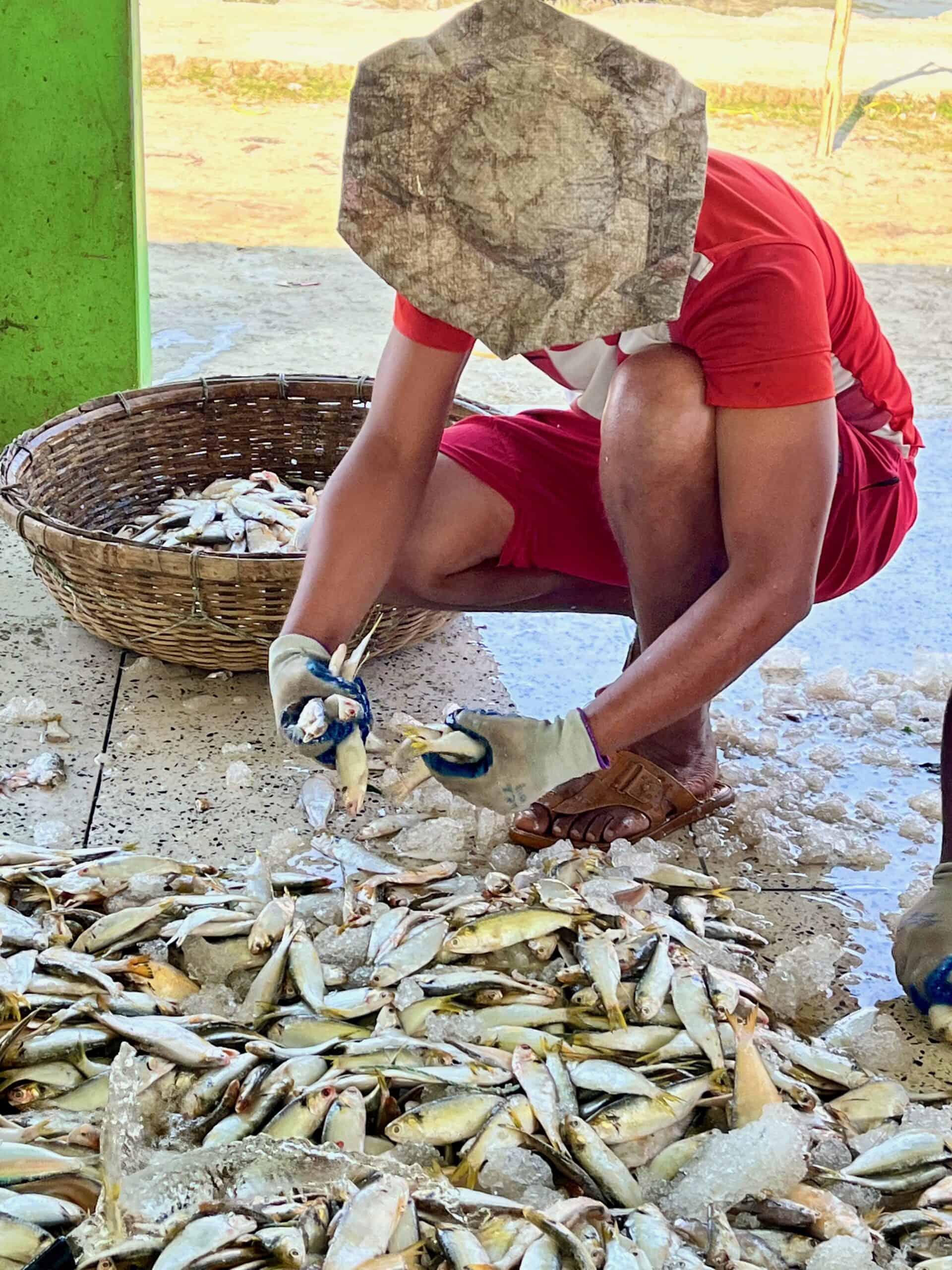
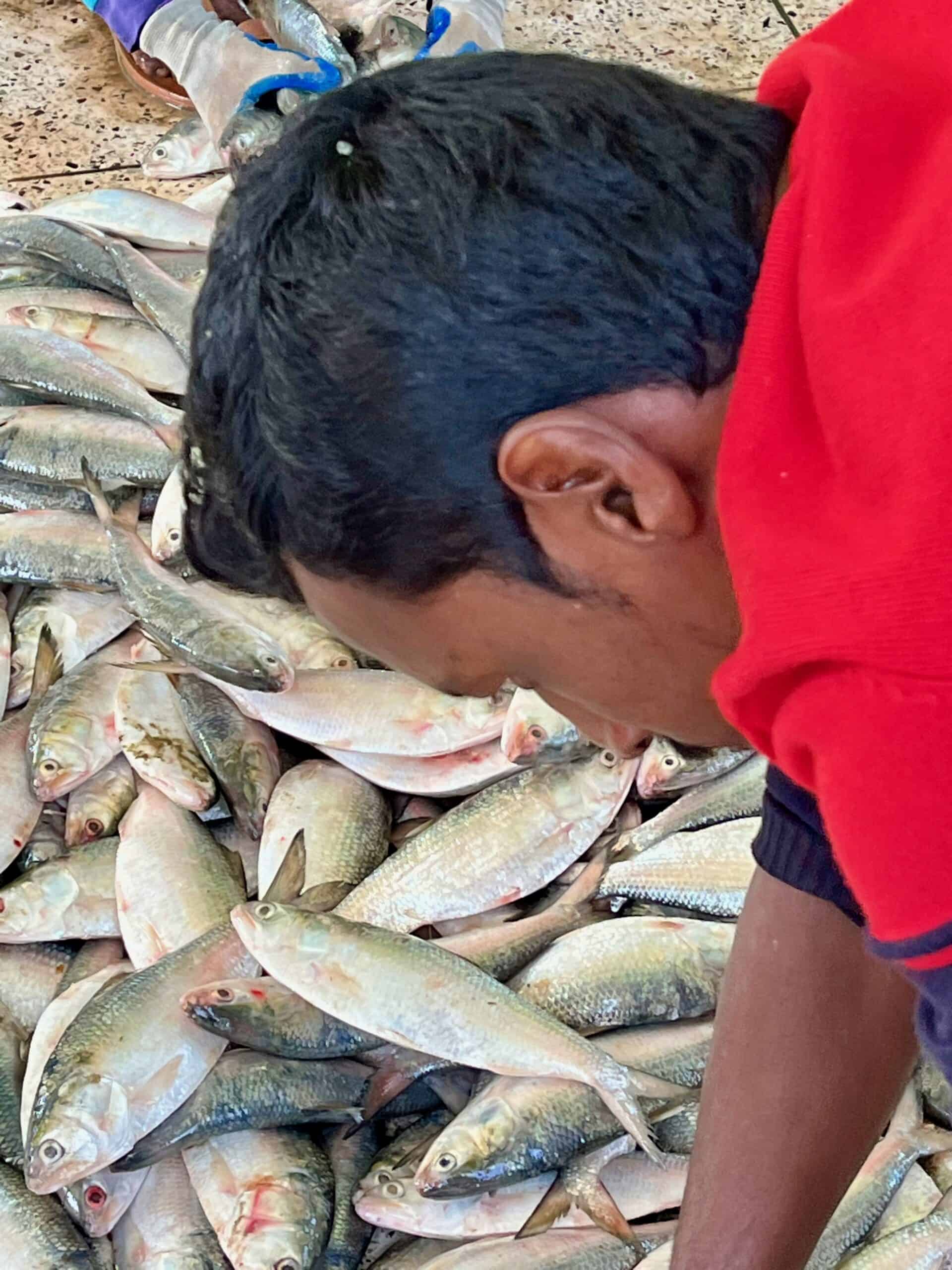
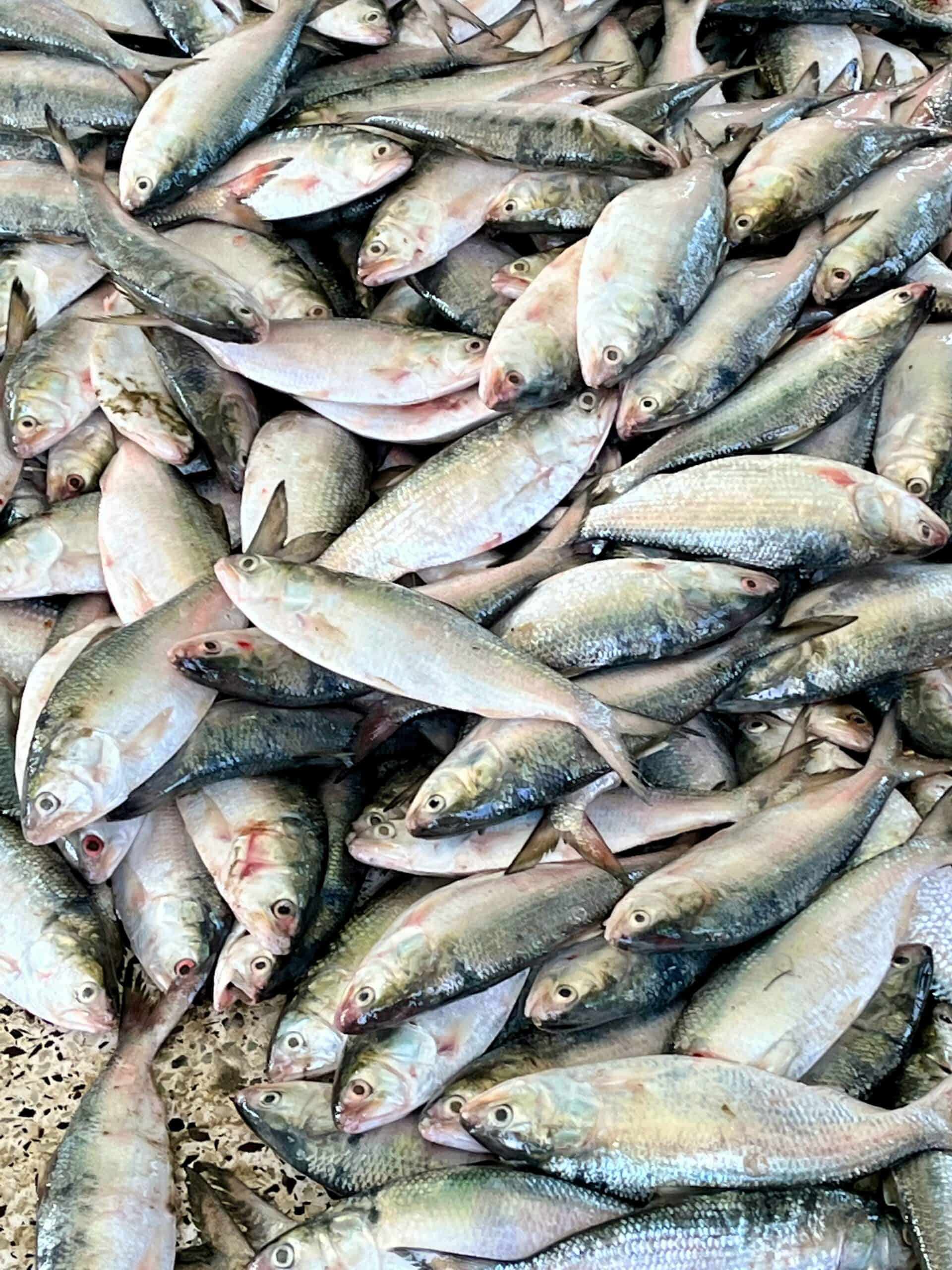
B-Roll Weigh, Auction, Pack Fish, Alipur Fish Dock Bangladesh
Fishing Safety in the Bay of Bengal: A Dangerous Occupation
Bangladesh: Safety of Fishermen in the Bay of Bengal
Commercial marine fishing is considered one of the most hazardous occupations worldwide.
Over 1,350 fishermen die at sea each year in Bangladesh. The boats lack essential safety equipment, including life buoys, life jackets, radios and compasses. Experts say many fishing boats are unregistered and generally have deplorable onboard conditions due to a lack of effective oversight. Source
Visiting Alipur Fish Market: A Hidden Gem in Patuakhali
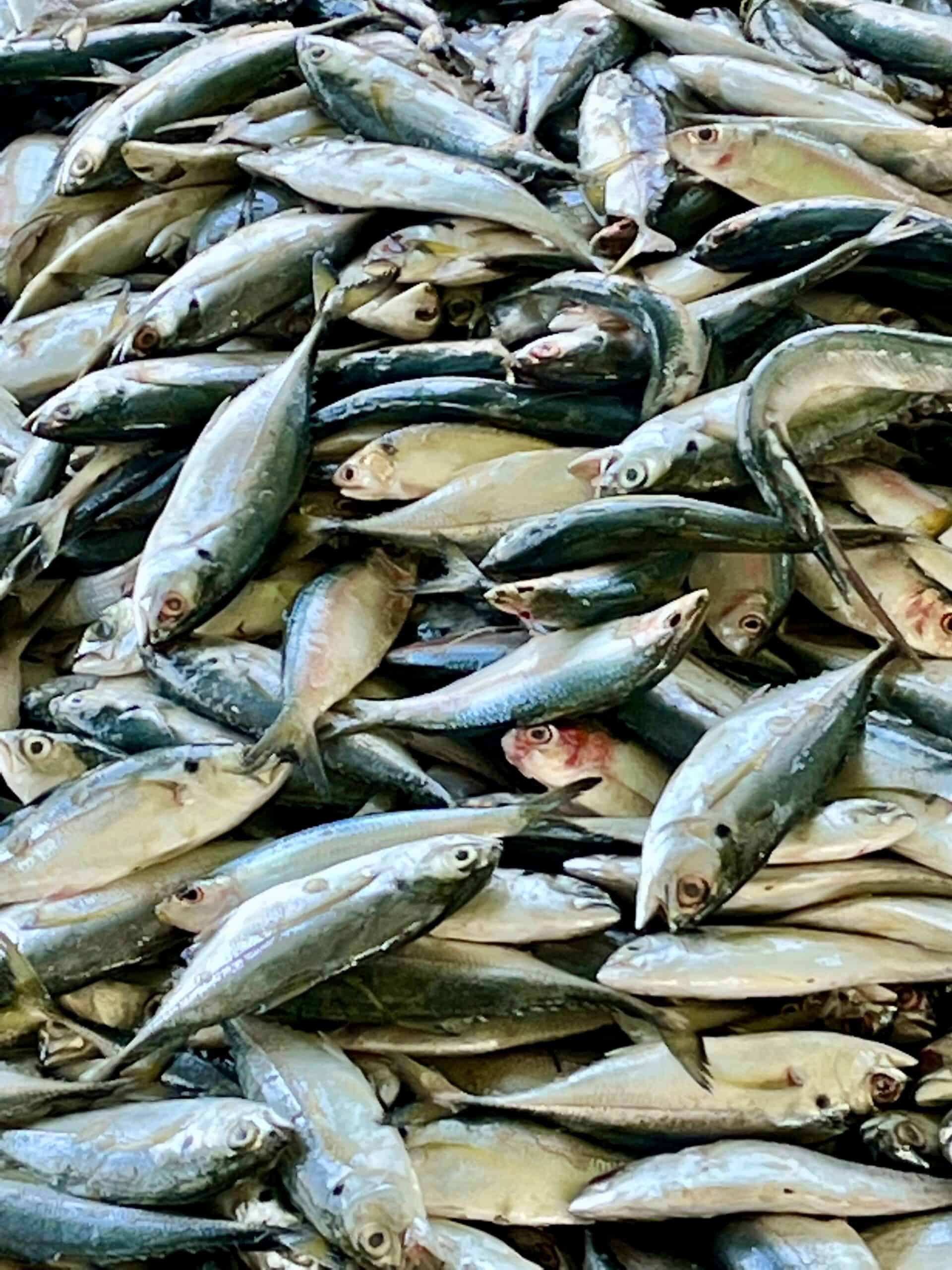
Have you had the chance to explore Alipur yet? It’s less widely known than other destinations like Kuakata Beach or Red Crab Char, but it’s worth visiting. One spot you won’t want to miss is the Alipur Fish Market. They have such an incredible variety of fish, including small sharks and some species that don’t have names!
Compared to the high cost of fish in Canada, I was stunned at how inexpensive fish was. Ibrahim’s market specializes in a wide array of catches: crabs, rupachanda, karala, hilsa fish, and more.
B-Roll Weigh, Auction, Pack Fish, Alipur Fish Dock, Bangladesh
B-Roll Men Carrying, Sorting Fish on Their Heads, Alipur Fish Dock Bangladesh
EpicPath Creative Academy
Where Stories Meet Strategy. Where Vision Becomes Workflow.
What You Gain Inside
Your Creative Freedom, Delivered
Real Stories. Real Results.
Stop dreaming. Start building. Your creative future is waiting.
(Live-Love-Learn-Create)
Women in Bangladesh’s Fishing Industry: Poverty and Resilience
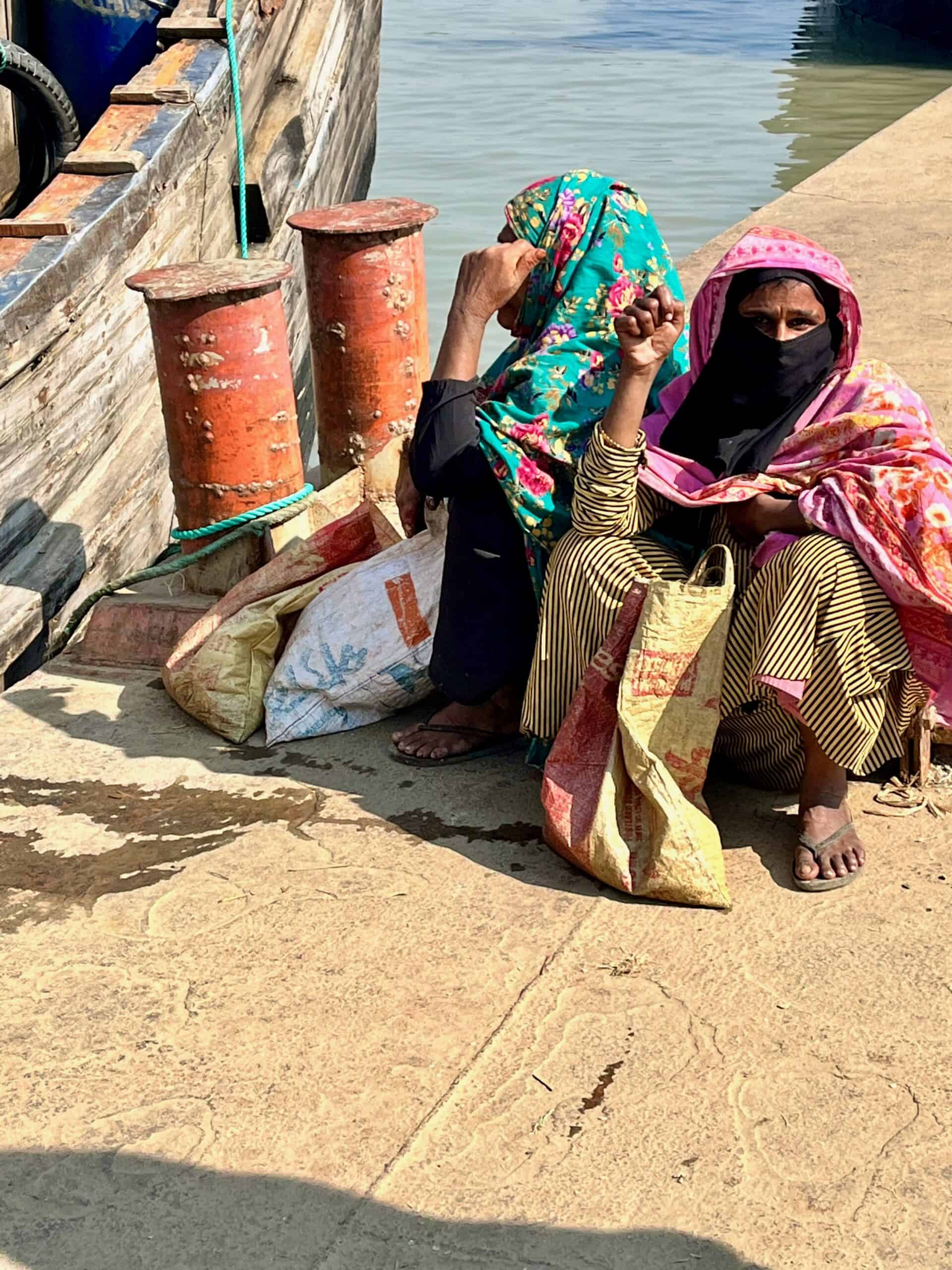
As the sole breadwinners for their families, I’ve noticed how women are among the most impoverished in rural areas. They face discrimination and have limited earning opportunities, often resulting in inadequate nutrition and begging.
In these videos, you can see women squatting along the docks or hovering over the fish sorters, waiting to pinch a fish or two to sell or feed their families.
There’s an elderly woman with a kidney disease who often huddles near Ibrahim, knowing he’ll advocate on her behalf and ask a fish owner to ‘gift’ her a piece or two for her family.
Brothers Across the Bay
Daniel holds his iPhone high,
Ibrahim balances fish toward the sky.
One captures light through Western eyes,
The other knows the ocean’s cries.
There’s so much excellent raw content here—
In weathered hands and nets that tear,
In sampan boats and morning prayer,
In stories told through salty air.
Days spent shooting, frame by frame,
Two men working, not the same
One edits clips in Final Cut’s glow,
One sorts the catch in ebb and flow.
The drone will rise another day,
To show the world this ancient way,
Where Ibrahim’s sweat meets Daniel’s lens,
And strangers become fishing friends.
From Bangladesh to Canada’s shore,
Connected by what we explore:
The essence of a village life,
The beauty born from daily strife.
A Poem Written with love by Daniel~Ibrahim
B-Roll Ibrahim Sorting Fish, Alipur Fish Dock Bangladesh
Women in Bangladesh’s Fishing Industry: Poverty and Resilience
As the sole breadwinners for their families, I’ve noticed how women are among the most impoverished in rural areas. They face discrimination and have limited earning opportunities, often resulting in inadequate nutrition and begging.
In these videos, you can see women squatting along the docks or hovering over the fish sorters, waiting to pinch a fish or two to sell or feed their families.
There’s an elderly woman with a kidney disease who often huddles near Ibrahim, knowing he’ll advocate on her behalf and ask a fish owner to ‘gift’ her a piece or two for her family.
Stories of Bangladesh (Chapter 5)
Discover how documenting Bangladesh’s hidden stories—from fishing villages to tuk tuk rides—became my path to creative freedom and authentic storytelling.

Women Begging – Alipour Fish Market Bangladesh

Weigh, Auction, Pack Fish, Alipur Fish Dock Bangladesh

Loading Fish Into Ice Packs – Alipur Bangladesh

Ibrahim Sorting Fish, Alipur Fish Dock Bangladesh

Working the Scales, Alipur Fish Dock Bangladesh

Unloading Fish Boats – Alipour Fishg Docks Bangladesh

Stingray Alipour Fish Depot

Loading Fish Baskets – Alipur Fish Docks

Working at the Alipur Fish Docks – Bangladesh

Ibrahim Carrying Fish — Alipour Fish Market
EpicPath Production Notes
A behind-the-scenes look into the process of crafting EpicPath Stories.
It is where you see how we did it, so you can apply it to your own workflow (or not).
Where Stories Meet Strategy. Where Vision Becomes Workflow.
The Creative Objective
The Story & The Scene
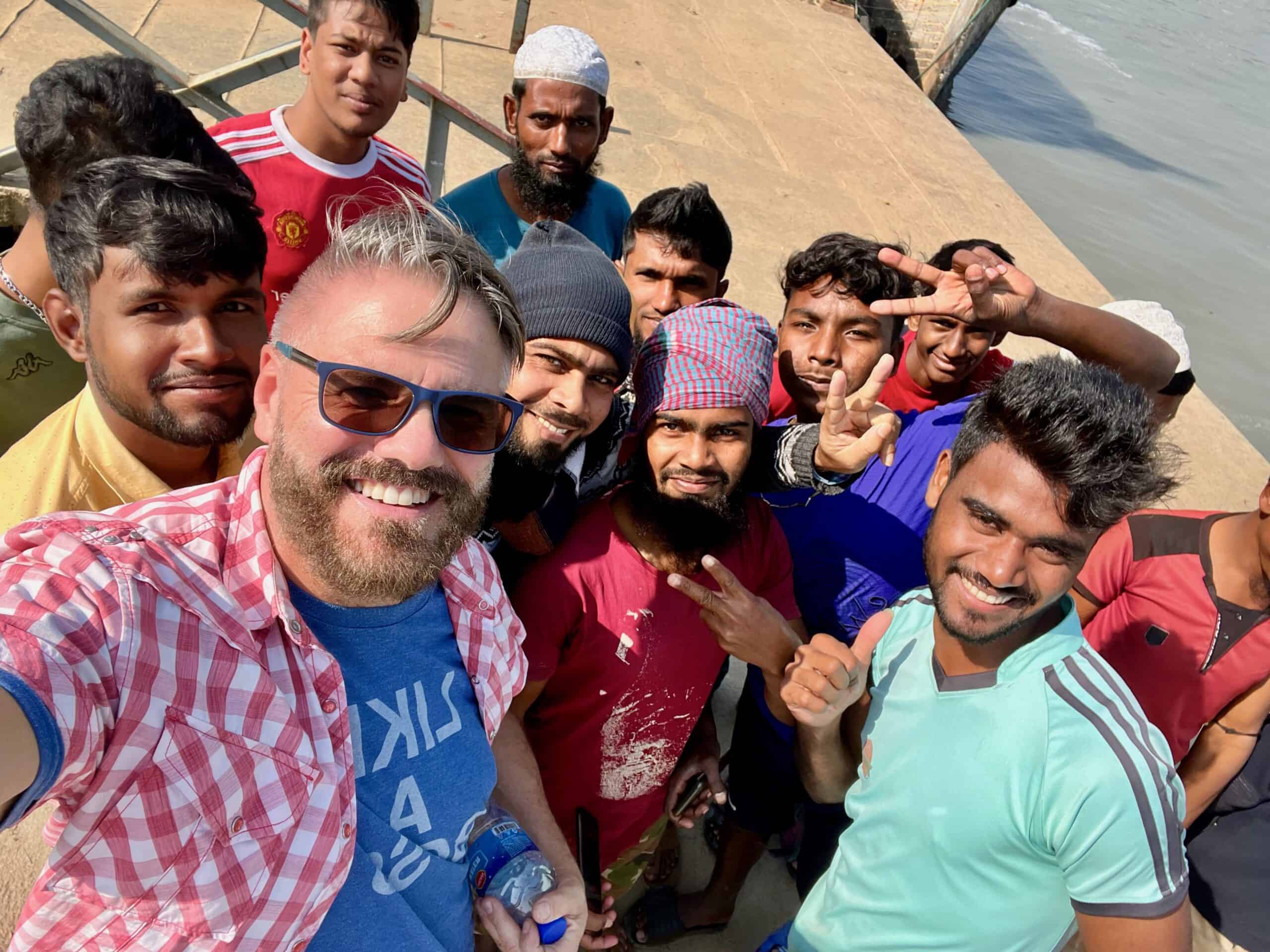
The Scene: The Fish Docks, traditional sampan boats, weathered fishermen, and the curious faces gathering around a foreigner. We focused on the smiles, the trust, and the genuine connection formed in the space between tourist attractions.
The Director’s Vision
The Production Pipeline
The Video Description
This module captures the raw interaction of a rural fishing community in Alipur, Bangladesh. Moving beyond simple documentation of labor, we focus on the curiosity, warmth, and genuine hospitality of the locals as they gather around a foreign visitor.
Shot with an iPhone, this footage proves that the most powerful stories are found in the human connections formed in the spaces between tourist attractions. By focusing on the smiles, the trust, and the shared moments, we create a piece of cultural data that highlights the human side of travel and the sustainability of their hospitality traditions. This is a testament to the “Presence Over Perfection” philosophy—capturing the interaction as it happens, not as we stage it.
Social Engine Optimization (SEO)
Blog Excerpt: Step inside the Alipur Fish Docks in Bangladesh. This story captures the raw interaction, the curiosity, and the genuine hospitality of a rural fishing community welcoming a foreign visitor.
Meta Description: Discover the human side of travel in Alipur, Bangladesh. Witness the warm hospitality, curious faces, and traditional fishing life of a rural community on the Bay of Bengal.
Focus Keyphrase: Alipur Fish Docks Bangladesh
Related Keyphrase: Rural Fishing Community Bangladesh
Synonyms: Patuakhali District, Barishal Division, Sampan boats, Fishermen, Human connection, Cultural exchange, Hospitality, Curious locals, Traditional fishing, Bay of Bengal
The Field Exercise
Director’s Questions
- What is the “interaction” I am documenting?
- How does this story support a larger goal of connection?
- Am I capturing the curiosity, or just the people?
Bangladesh Fishermen: Life on Traditional Sampan Boats at Alipur Fish Market
Discover life on traditional sampan boats at Bangladesh’s Alipur fish market. Raw footage of fishermen and dock workers sharing meals on the Bay of Bengal.
Friendly Curious Locals Gather Around Me – Alipur Fish Docks – Bangladesh
Inside Alipur Fish Docks, Bangladesh: witness traditional sampan boats, hardworking fishermen, and the vibrant fish market on the Bay of Bengal. Raw documentary footage.
Parasailing in Cox’s Bazar, Bangladesh: A Thrilling Creative Adventure
Experience thrilling parasailing at Cox’s Bazar, Bangladesh – the world’s longest beach. Get travel tips, video footage, and creative inspiration for your adventure.
Motorcycle Adventures in Bangladesh: A Creative Journey Through Exotic Landscapes
Discover authentic motorcycle travel in Bangladesh. Join Daniel & Ibrahim’s adventure through villages, cities & countryside. Travel tips, stories & inspiration.
Experience Bangladesh Like a Local: The Ultimate Rickshaw Travel Guide
Experience Bangladesh like a local on a cycle rickshaw. Watch our authentic travel vlog exploring Dhaka, the Rickshaw Capital of the World. Travel tips inside.
The Ultimate Bangladesh Barber Experience: My Haircut Journey in Kuakata
Discover the authentic Bangladesh barber experience in Kuakata. From $1 haircuts to cultural immersion—my journey exploring creative freedom through grooming.
What Happens When You Take a WILD Tuk Tuk Ride in Bangladesh?
Experience the wild chaos of riding CNG tuk tuks through Bangladesh! From Dhaka’s streets to countryside adventures—an honest traveler’s guide to auto rickshaws.
Ibrahim Raises Bangladesh Flag Under Canadian Flag: A Toronto Marina Symbol of Solidarity for Democracy
Ibrahim raises the Bangladesh flag beneath Canada’s at Toronto Island Marina—a powerful symbol of solidarity for democracy and justice during civil unrest.
Kuakata Beach, Bangladesh: Where You Can Watch Both Sunrise and Sunset Over the Bay of Bengal
The sun rising and setting over the Bay of Bengal makes it a unique place in the region, providing a perfect view of beautiful nature. This video is a simple compilation of raw clips we took throughout visits in 2022-2023.
Traditional Sampan Fishing Boats: Witnessing Ancient Wooden Boat Building in Bangladesh
Discover how traditional wooden sampan fishing boats are built in Bangladesh. Explore the craftsmanship, cultural heritage, and life of Bay of Bengal fishermen.
Fatrarban Mango Forest, Bangladesh: A Hidden Gem in the Sundarbans (Travel Guide)
Discover Fatrarban Mango Forest in Bangladesh’s Sundarbans. Complete travel guide to Tengragiri Eco Park with stunning photos, local culture & boat tours.
Traditional Fishing in Bangladesh: Sunset Net Fishing at Cox’s Bazar Beach
Watch traditional fishermen pull nets at sunset on Bangladesh beaches. Authentic travel video capturing the fishing culture at Cox’s Bazar and the local fish markets.
How to Fight Back When Canada Wrongfully Denies Your Tourist Visa
Denied a Canadian tourist visa unfairly? Our guide shows how to appeal TRV refusals through Federal Court, request reconsideration & fight for justice.
Finding Love Across Borders: My Journey to Bangladesh During COVID-19 (And Yes, I Shit Myself Silly)
60-year-old Canadian’s raw, honest story of finding unexpected love in Bangladesh during a pandemic. Cross-cultural relationships, visa struggles, and taking risks for connection against all odds.